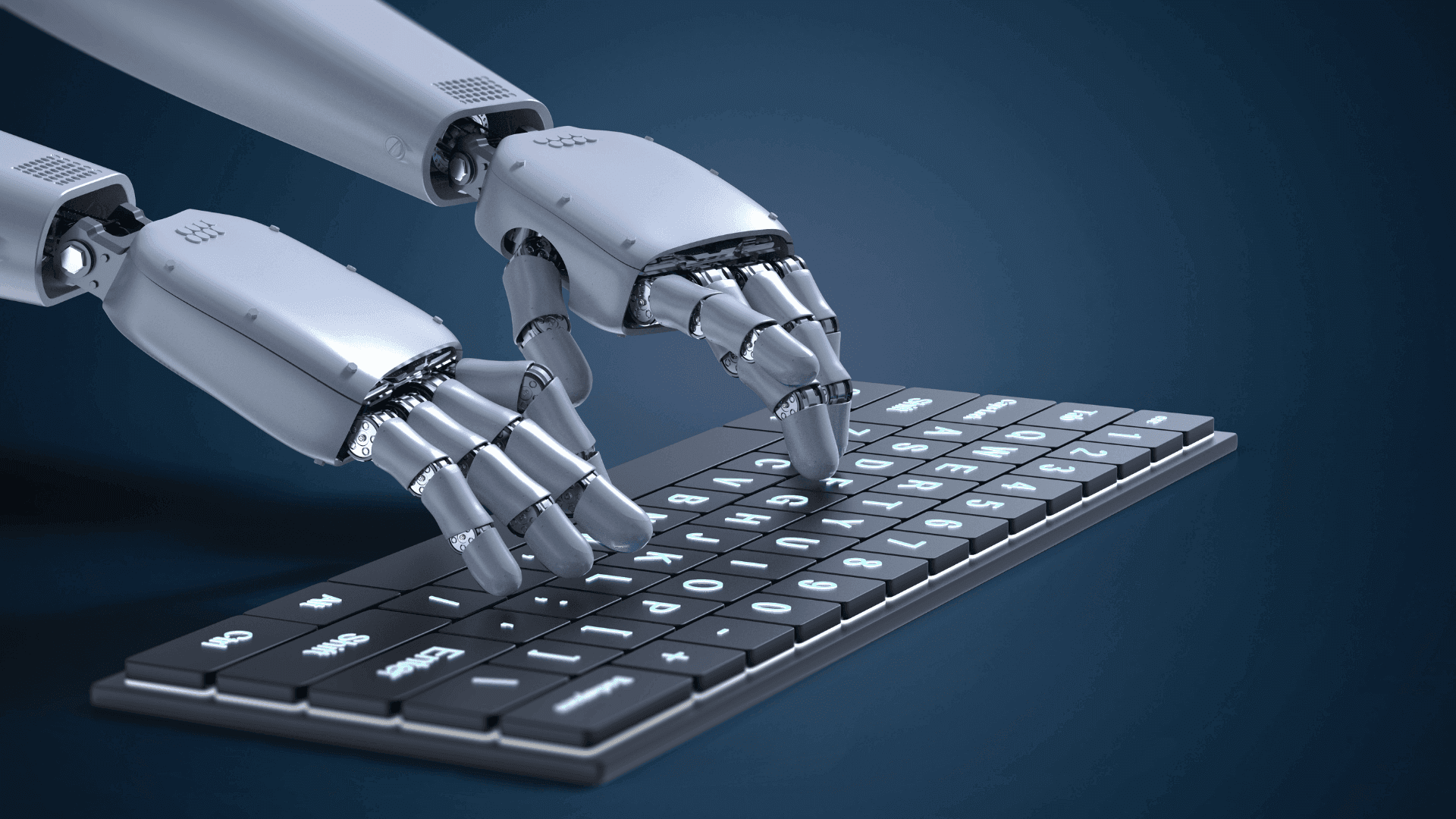
The age of machines and artificial intelligence (AI) is here with us. Technology is all around us, starting with smartphones and smart homes, online shopping and digital assistants. Many people feel worried about this change. The question they ask themselves is whether the machines will steal their jobs and leave people with fewer opportunities. These are valid concerns but the whole picture is not reflected in them. Although AI is strong and it only continues to expand, it still cannot substitute all of the human capabilities. As a matter of fact, human skills are of paramount importance in this new era. We should not fear machines, but rather work on enhancing those abilities that make us uniquely human beings.
To start with, it should be clarified what AI is capable of and unable to do. AI is highly effective in dealing with repetitive, fast and pattern-based tasks. To illustrate, AI has the ability to process a significant amount of data, identify images, and even respond to simple questions. AI is applied by many companies to enhance efficiency and save time. There are those instances of routine jobs that can be altered or even lost. But this does not imply that humans are no longer required. AI does not require human participation, mentorship, and creativity. Machines are able to obey commands, yet they do not really comprehend meaning as humans do.
Creativity is one of the human skills that are highly treasured in a machine world. Creativity enables individuals to come up with new ideas, solve problems in innovative ways and express themselves. Although AI is capable of creating content, it is typically created following the patterns that it has been taught by the available data. It lacks personal experiences, feelings, and imagination as humans do. Indicatively, an author is able to develop a narrative basing on emotions, recollection, and cultural knowledge. Colors and shapes can be used by an artist to convey emotions. Machines can hardly imitate these creative skills. This is why jobs in art, design, writing, and innovation will always require human talent.
Critical thinking is another significant human ability. This implies the capacity to process information, challenge thinking, and make sound decisions. In a world of data, not everything that is there is right and helpful. Human beings must be able to judge, analyze and critically analyze sources and then make decisions. Suggestions can be given by AI, but it does not necessarily see the bigger picture. To illustrate, in the business world, leaders have to make decisions about the best strategy to choose depending on numerous factors, such as human behaviours and market tendencies. In teaching, educators should be aware of the needs of students and adapt their practices. These activities involve judgment and reasoning that are more than mere data analysis.
Another important skill that machines cannot necessarily substitute is communication. People do not express themselves by words only, but by tone, body language and feelings. Effective communication assists individuals to establish relationships, collaborate in teams and resolve conflicts. Listening and responding empathetically is highly valued in occupations like teaching, counseling and customer service. Although chatbots and virtual assistants are capable of responding to simple questions, they are not able to comprehend human emotions. To take a case in point, a teacher does not just relay information but also motivates, mentors and encourages students. This is a human relationship that makes a great difference in learning and development.
Emotional intelligence is closely connected with communication. The capacity to perceive and control emotions both the own and those of others is known as emotional intelligence. Highly emotionally intelligent people are able to work in a team, cope with stress and create positive relationships in a workplace. These are skills that are particularly important in leadership. An effective leader is one that can motivate others, resolve conflicts, and generate a sound work environment. Machines lack feelings hence they cannot really know how people feel. It is because of this that emotional intelligence is a powerful asset to humans in the era of AI.
The other skill that is significant in a fast-evolving world is adaptability.
Technology is evolving rapidly and new tools are coming along every day. Individuals should be ready to learn new things and adapt to new circumstances. This is commonly referred to as life-long learning. People should never leave their school education as the only source of knowledge; they should always strive to educate themselves, and equip themselves with skills. With the help of online courses and workshops, as well as digital platforms, one can acquire new skills wherever they are. Individuals who are receptive to change and ready to learn will have greater opportunities in the future.
Another important success skill, besides adaptability, is collaboration. Most modern jobs demand individuals to collaborate with others, at times at various countries and cultures. By collaborating in a group, it is possible to share ideas, listen to other opinions, and work out problems. In other instances, AI systems will also be working with humans. As an example, a doctor can apply AI technologies to aid in the diagnosis of diseases, yet the ultimate decision and patient care is left to the knowledge and experience of the doctor. This demonstrates that the future of work is not man and machine, but man and machine.
Another aspect that should be noted is the ability of AI to open up new opportunities. Although there will be some job killers, numerous new jobs will be created. Indicatively, the demand of individuals, who are able to develop, handle, and enhance AI systems is on the rise. Digital marketing, data analysis, content creation also have new positions. Moreover, technology has facilitated people to venture into their own businesses. AI tools can help small business owners to learn more about customers, enhance their services, and attract a broader audience. This implies that individuals who are innovative and risk takers can discover new career avenues.
Schooling is a major task in making individuals ready to this new world. Academies and universities must pay attention to the technical knowledge as well as to human abilities. Students are to be taught how to think critically, communicate effectively and collaborate with others. They ought to be imaginative as well as inquisitive. The teachers can play a significant role in mentoring students and assisting them in the development of these skills. Meanwhile, people have to be in charge of their own education. They will be able to keep up with the dynamic job market by remaining active learners.
Another area where human skills are important is ethics. With the increased strength of AI, numerous questions emerge regarding the way it is to be implemented. As an illustration, how do we make sure that AI systems are just and do not harm anyone? Who would hold the AI system accountable in case it makes a mistake? Such questions demand human judgment and values. Individuals should consider the effects of technology on society and make responsible decisions. This demonstrates that human skills are not just necessary in job but also in having a better future.
It is also important to note that human skills add meaning and purpose to work. A lot of individuals desire to have more than a salary; they desire to feel that their efforts are worthwhile and that they are making a difference. Occupations that provide satisfaction include those that help others, invent something new or solve significant issues. These jobs can be supported by AI, but not the human need to have a purpose. As an illustration, healthcare professionals not only treat sick people but also comfort and care them. Social workers assist individuals to get out of difficulties in their lives. These jobs will demand caring and commitment that machines will not possess.
To sum up, the emergence of AI does not imply the abolition of human labor. Rather, it modifies the nature of most valuable skills. The skills related to human beings like creativity, critical thinking, communication, emotional intelligence, adaptability and collaboration are now more valuable than ever. These are skills that enable individuals to perform tasks that machines cannot perform, and work in harmony with technology. Successful and meaningful careers can be established by attending to lifelong learning and personal development. It is not a competition with machines, but having them as an aid to the human potential in the future.
Our human abilities will continue to guide us in a machine-driven world, helping us adapt, create, and innovate in ways that technology alone cannot achieve. While machines can process data quickly and perform repetitive tasks with precision, they still rely on human qualities such as creativity, empathy, critical thinking, and ethical judgment. These uniquely human strengths allow us to make meaningful decisions, solve complex problems, and build genuine connections with others. By combining our abilities with advancing technology, we can shape a future that is not only more efficient but also more balanced and humane. In this way, humans and machines can work together, ensuring progress that benefits society while preserving the values that define us.
By: Chalis Bella Marhaena
Write and Win: Participate in Creative writing Contest & International Essay Contest and win fabulous prizes.
About the Author