What Is Printer Recycling and Why It Matters
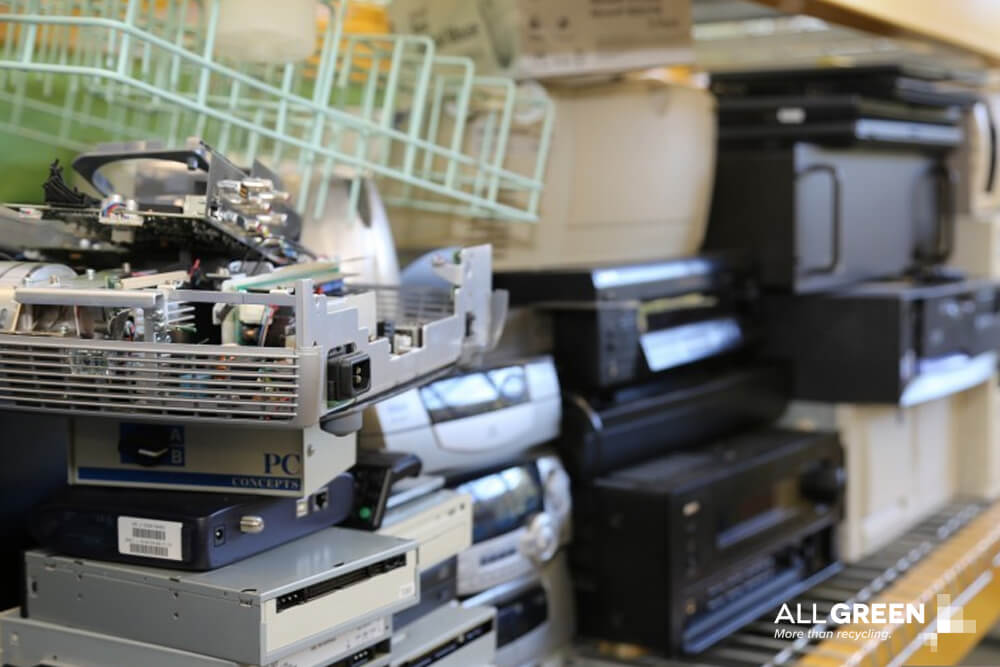
printer recycling refers to the responsible disposal and repurposing of printers and their consumables, like ink and toner cartridges, in an environmentally friendly and resource-saving way. This isn’t just about getting rid of clutter—it’s about preventing unnecessary pollution, reducing demand for new materials, and supporting a circular economy. Printers and cartridges are made of plastics, metals, and electronic circuits that don’t easily decompose and often contain harmful substances that can leach into soil and water if sent to landfills. Ink and toner cartridges alone are a major concern. In the U.S., over 375 million empty cartridges are discarded each year, potentially taking hundreds to thousands of years to break down while releasing toxins. Every cartridge that’s recycled or remanufactured means fewer resources extracted and less energy spent producing new ones. For example, it takes approximately three quarts of oil to manufacture a single toner cartridge.
Environmental and Economic Benefits of Recycling Printers and Cartridges
Recycling offers multiple benefits for both the planet and your wallet. First, it conserves resources by reclaiming plastics, metals, and ink components, which reduces demand for new raw materials. This in turn helps protect ecosystems and preserve natural resources. Second, recycling requires less energy than manufacturing from scratch, which results in lower carbon emissions and reduced environmental pollution. Another benefit is waste reduction—recycling prevents countless printers and cartridges from ending up in landfills each year. This is especially important because ink and toner often contain toxic chemicals that could otherwise contaminate soil and water. From a financial standpoint, refurbished cartridges and remanufactured printers often cost significantly less than new ones. Many recycling programs even offer incentives, such as discounts or cash rewards, making recycling an economical choice. Finally, printer recycling supports sustainability efforts and creates jobs in collection, processing, and manufacturing, contributing to a greener economy.
How to Prepare Your Printer and Cartridges for Recycling
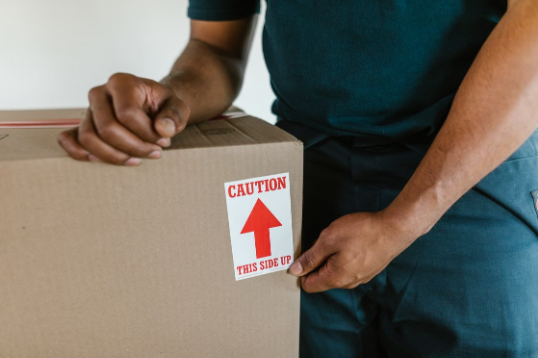
Recycling starts with careful preparation. Begin by removing any cartridges from the printer, as these are often recycled through separate channels. If your printer stores any personal data, perform a factory reset to safeguard your information. When packing cartridges for recycling, use their original packaging if available, or secure them with bubble wrap or in sealed plastic bags to prevent leaks. Research your local recycling options—manufacturers, retailers, and community centers may all provide services for responsible disposal. Finally, make use of prepaid mail-in labels or designated drop-off locations when available to ensure your items reach the correct recycling facilities.
Where to Recycle: Options for Responsible Disposal
Many printer manufacturers offer take-back programs that allow customers to return used printers and cartridges free of charge. Often, they provide prepaid shipping labels and may even offer discounts on future purchases. Office supply retailers also play a major role, with chains such as Staples, Office Depot, and Best Buy accepting used cartridges in-store, sometimes rewarding customers with points or other incentives. Local recycling and e-waste centers are another reliable option. Many municipalities operate drop-off points where residents can leave old electronics for safe disposal. In addition, some nonprofits and companies run mail-in recycling programs that provide prepaid labels and may even use proceeds to support charitable causes. If your printer is still in working condition, donating it to schools, charities, or community organizations can extend its useful life. Community recycling events, often organized by environmental groups or local councils, also provide convenient opportunities for responsible disposal.
Tips for Greener Printing While Your Printer Is in Use
You can reduce your environmental footprint even while you still use your printer. Choosing double-sided printing whenever possible and avoiding unnecessary prints will extend the life of your cartridges and cut down on paper waste. Opting for remanufactured cartridges is another smart choice—they cost less, perform well, and prevent additional waste from entering landfills. Energy-efficient printers or models with eco-friendly modes can help lower electricity consumption, and raising awareness among friends, colleagues, or customers about sustainable printing practices can multiply the positive impact of your efforts.
Incorporating printer recycling into everyday routines benefits not just the environment, but also the economy and communities. By preparing devices correctly, choosing responsible disposal options, and embracing greener habits, you can transform a simple act into a lasting contribution to sustainability.
Write and Win: Participate in Creative writing Contest & International Essay Contest and win fabulous prizes.
About the Author