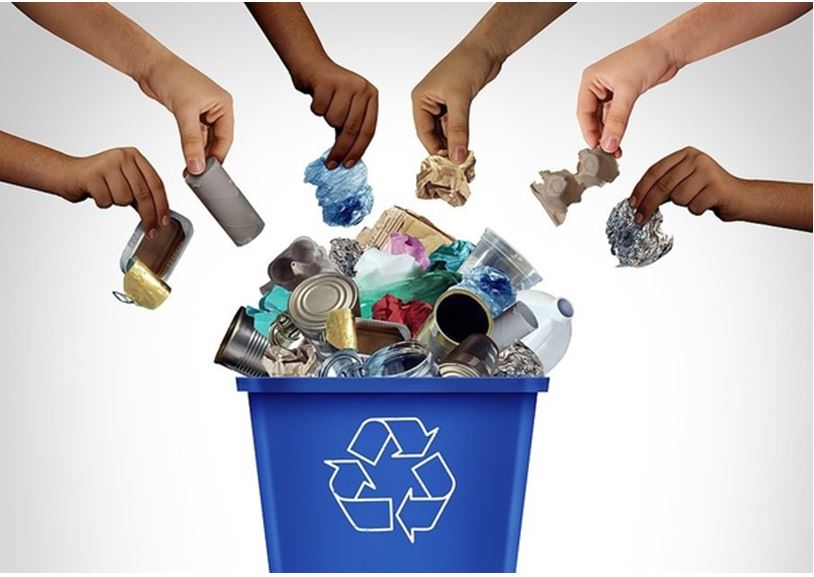
E-Waste Food
E-Waste: A Growing Concern for the Youth
We’re constantly surrounded by technology. We upgrade our gadgets, buy new devices, and often discard old ones without a second thought. But ever wondered what happens to those discarded devices like your old phone, TV or computer ? These become e-waste!
What is E-waste?
E-waste means electronic waste, which is generated by the electronic or electric devices used by us. It is anything that runs on power or batteries and no longer in use. We use these devices for almost everything, from work to entertainment, communication and education.
Millions of these devices are discarded every year as products break or become obsolete and are thrown away. This generates e-waste, which has become a serious environmental and health problem as it contains poisonous things like lead and mercury.
Sources of E-waste :
As technology is advancing at an unprecedented rate, we’re constantly bombarded with new smartphones, laptops, and gadgets that promise to make our lives easier. When these devices become old or worn out, we throw them.
E-waste can come from various sources as follows –
Household Sources like Computers, laptops, mobile phones, televisions, gaming consoles, refrigerators, air conditioners, washing machines, and microwaves.
Commercial Sources like office equipments Computers, printers, scanners, and fax machines.
Industrial Sources like Machinery, control systems, and testing equipment.
Various other sources where electric or electronic equipments becomes unfit for the intended use. These sources contribute to the growing problem of e-waste, highlighting the need for responsible disposal and recycling practices.
E-waste Management:
We’re generating a staggering amount of e-waste,but what’s the cost? It’s not just a minor issue. Where to throw them is a major challenge.
There is no complete awareness in our country regarding the harmful effects of E-waste on environment which includes soil and water pollution and ultimately affect human health. Along with the development,issues like pollution should also be looked after. Development is a goal, and management is the means to achieve it.
To solve the problem of e-waste we need to take some steps:
Recycling: Recycling e-waste can be a good option. This will not only reduce waste, but will also save us raw materials to make new products.
Correct disposal of devices: We have to dispose of electronic devices properly, so that they do not harm the environment.
Awareness: Awareness about e-waste needs to be spread among people, so that they can understand its effects and contribute to its solution.
Importance of e-waste management:
1. Environmental Protection: If e-waste is not treated properly, the toxic elements it contains mix with soil, water and air, increasing pollution.
2. Health Protection: Toxic components in e-waste are harmful to human health, so appropriate management is essential.
3. Financial Benefits: Recycling e-waste saves raw materials needed to make new products, thereby reducing costs.
Phases of e-waste management:
1. Collection: Collection of e-waste from different places like home, office, school, etc. 2. Classification: Separation of collected waste into metal, plastic, glass etc.
3. Recycling: Making new things by recycling metals, plastics and other materials.
4. Disposal: Dispose of non-recyclable items scientifically.
Initiatives:
1. Clean to Green Campaign: RLG Systems India Pvt Ltd initiated awareness programs and collected e-waste through its “Clean to Green” campaign.
Government Schemes for E-Waste Management:
1. Maharashtra Pollution Control Board (MPCB) works for e-waste management.
2. E-waste processing and disposal facilities are available from MMRDA (Mumbai Metropolitan Region Development Authority).
Here are some notable awards related to e-waste management and sustainability:
1. Global E-Waste Management Excellence Award: Recognizing outstanding contributions to e-waste management, including innovative solutions, best practices, and sustainable initiatives.
2. Indian E-Waste Management Awards: Recognizing organizations and individuals for their contributions to e-waste management, including collection, recycling, and responsible disposal.
3. CII National Award for Excellence in E-Waste Management: Honoring organizations that have demonstrated excellence in e-waste management, including reduction, recycling, and responsible disposal.
4. Circular Economy Awards: Recognizing organizations and initiatives that promote circular economy principles, including e-waste reduction, reuse, and recycling.
These Awards matters as they recognize and promote best practices in e-waste management, encouraging organizations and individuals to adopt sustainable and responsible approaches to electronic waste disposal. By acknowledging outstanding contributions, these awards inspire innovation and drive progress in e-waste management.
Conclusion-
As technology continues to advance and electronic devices become increasingly ubiquitous, it is essential that we adopt responsible e-waste management practices. It is our collective responsibility to address this issue and ensure that the benefits of technology do not come at the expense of our planet’s well-being.
By: Afsana Shaikh
Write and Win: Participate in Creative writing Contest & International Essay Contest and win fabulous prizes.
About the Author