At a time when digital-tech-fueled connectivity and household electrical appliances are what keep our lives running (sometimes literally), power cuts have gone from being merely a nuisance to a disaster for the modern home. From disrupted remote work to compromised safety systems, the insecurity of grid-reliant homes has become glaringly clear. Enter the game-changing solution: portable power stapower stationstions that also have built-in solar charging systems. These breakthrough systems are more than just power reserves: they create a reliable path towards independence from traditional energy sources by complementing high-capacity storage with renewable charging. Through learning how to choose and install such solutions, homeowners can build a strong defense against power outages while also adopting clean energy options. This guide delves into the key factors for selecting the optimal system and how to get the most out of it with proper solar integration.
The Critical Need for Home Backup Power Solutions
Recent statistics from the U.S. Department of Energy show a 60 percent rise in weather-driven power failures over the past decade, underscoring a rising risk to our power grid. These disturbances are more than just inconvenient — they lead to hundreds of dollars being lost through wasted food, ruined electrical items, and cancelled business. Gasoline generators are inherently dangerous for fuel storage and CO emissions. They also have difficulty supplying safe power to sensitive electronics because their output is less refined.

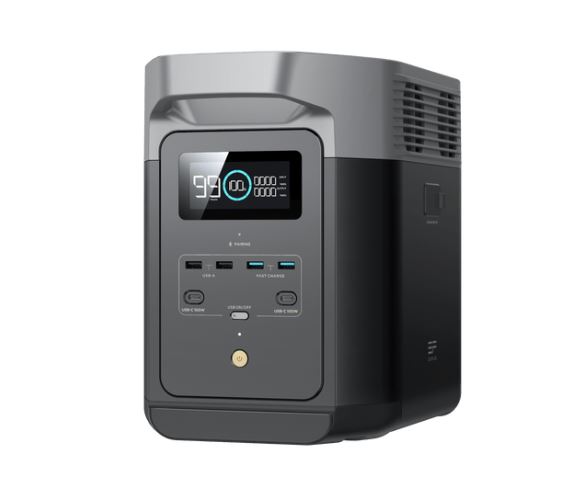
Portable power stations, on the other hand, present themselves as the ideal solution, providing access to clean power that doesn’t need to be stored in cans or released as toxic waste. Brands such as EcoFlow have developed systems that supply pure sine wave power that can safely power sensitive electronics, from laptops to medical equipment. With no moving parts or liquid fuels, they are silent, indoor safe and virtually maintenance-free, yet offer the same power and versatility as traditional generators. And best of all, they wipe out the ongoing costs and supply chain issues of fuel-based systems, delivering stable electricity when you need it without the endless upkeep of traditional generators.
Understanding Portable Power Station Fundamentals
How Modern Power Stations Work
Today’s Portable Power Stations are built on cutting-edge battery technology where Lithium Iron Phosphate (LiFePO4) batteries are the preferred choice as they are safer and more reliable and have a life of over 3500 charge cycles. Conventional NMC (Nickel Manganese Cobalt) batteries have improved energy density, but generally have lower lifetimes. Inverter chargers will transfigure your stored DC power directly into AC electricity with pure sine wave inverters to give clean electricity identical to grid electricity. Power capacity is quantified in watt-hours (Wh – total energy storage) where ampere-hours (Ah – battery rating). Thus, a 1000Wh station should be able to run a 100W device for around 10 hours, taking their conversion efficiency into consideration.
Key Features for Home Backup Scenarios
In other embodiments, important redundancy features include reliable run-time metering circuits for use with systems and methods to calculate remaining power based on the loads connected to the unit. With a variety of output options, whether you’re going camping, running lights, radio, fan, Android, iPhone, or other office devices, the Paxcess portable power station is the perfect solution. High-end models provide expandable battery packs via parallel operation which result in doubled runtime (or tripled: N models from 5 KVA and more) for any extended runtime application. With pass-through charging, the station is able to charge and power devices at the same time, effectively providing UPS (uninterruptible power supply) for power-outage scenarios with these critical systems, such as medical devices or home office setups. An intelligent monitoring system provides real-time power consumption information and automatic power control.

Solar Charging: Your Path to Energy Independence
Equipped with industry-standard PWR Laptop charging outlets, portable power stations turn into full-fledged solar charging stations. Using the power of the sun, these systems generate an endless source of power that is not dependent on any grid system. In longer periods of grid outage, the solar panels continue to keep the batteries full, not drawing down from limited fuel supplies, or waiting for a grid to be restored. A typical 200W solar panel is capable of producing 800-1000Wh of energy per day in optimal conditions, which could be sufficient to power your home devices for a couple of days during emergencies.

In addition to emergency standby power, this system can also provide everyday utility bill savings with daily charge cycles. Storage also allows users to schedule their solar production to the daytime hours of high demand or at night, and therefore, to form a microgrid. That approach has the added benefit of directly protecting against carbon emissions and providing insurance against future power prices and unstable grid performance. The modularity of solar charging systems enables slow growth starting from basic backup and expanding to full-home power solutions as requirements change. Modern MPPT solar charge controllers drive your solar panel array to peak efficiency by delivering the current generated in fluctuating system environments.
Optimizing Solar Charging Efficiency
To get the maximum solar charging performance, one must pay attention to system requirements and environmental conditions. An ideal panel-to-station ratio is generally between 1:1 and 1.5:1 wattage of solar to battery capacity in order to achieve efficient charging. MPPT stands for Maximum Power Point Tracking, which will optimize power production by adjusting input voltage and current 20%-30% more than PWM charging. Sunshine time differs depending on location, season, and site, with 4-6 hours of sunshine time under optimal conditions for full charging. Panel angles should also be changed seasonally, based on a general rule of latitude plus 15 degrees for winter and minus 15 degrees for summer.
Choosing Your Solar-Ready Power Station
Capacity Requirements for Home Backup
The first step to understanding what the correct power station capacity means involves a thorough appliance audit. Begin by adding up key devices, such as a fridge (150-400W), lighting (5-10W per LED bulb) and communication devices (10-20W for phones/tablets). Users of medical devices should consider their equipment’s particular power needs. Determine the total Daily Energy Consumption by multiplying the wattage of each device by the number of hours per day each will be used. Prioritized power distribution: Tier 1: critical loads (medical equipment, refrigeration); Tier 2: high priority comfort items (fans, selected lights); Tier 3: optional convenience loads. Consider future overcapacity when choosing, as many CMH users find they need to grow as time goes on.
Critical Solar Compatibility Factors
Solar compatibility depends on some technical specifications. The power station’s input voltage should be the same as the solar panel’s voltage, with the input range being 12 to 60V DC. Charging speed depends on the sun: We’ve included a 200W, 18V solar panel in our kit (ULTRA: 65/26*3cm folded, 1.4cm thick) to give you the most power we could for off-grid charging – enough to charge a phone, lights, or power bank quickly. Please check panel compatibility by connector type and voltage. Current models with MPPT technology and an 800W or higher input rating provide the fastest charge rates and are the best for battery health.
Building Your Home Backup System: Step-by-Step Setup
Pre-Outage Preparation Protocol
Where to place my power station? Obviously, you must put your power station in a cool, airy place where it is protected from the sun and heat; the nearest of your needed appliances would be ideal. Place the unit at least 6 inches from the wall when you intend to use it. Well, it’s best to keep the battery at a level from 50% to 80% while applying standby status to prevent the battery from aging with a full charge and to be available for immediate use. Write down your power consumption plan, with each outlet and devices labelled with how much power (in watts) you will need and what priority they should have. Ensure that you have one full charge-discharge cycle, including checking all output ports, per month. Note the location of solar panel quick connect points and protect your cabling during storage.
Solar Integration During Emergencies
When the power goes out, set up your solar with your pre-marked placement guides, knowing with your downed design that you are getting as much light as you can. Connect panels in a series or in parallel, connecting the main input cable from the generator house to the power station and then attaching additional panels in sequence according to your system layout. Seal all the connections using weatherproof sleeves and run the cables to avoid water collection. Check charging progress in real-time and even share with friends via the station’s illuminated display while adjusting the panel’s angle throughout the day for optimum solar charging. Create a rotation for key appliances to make the most of available power, with attention to prioritizing important loads during periods of peak solar production.
Empowering Your Home’s Energy Future
The combination of solar charging innovation with portable power is an evolutionary step in home and lifestyle living. Not only do such systems give you backup power during emergencies, they also enable you to embark on a path to sustainable energy independence and protect you from much more frequent grid failures for years to come. By choosing the right system for their capacity needs and whether or not it must be solar compatible, homeowners can create a power foundation that expands as they do. The introduction of the latest battery technology, solar charging, and efficient appliance control means the ultimate power system when you need it most. With increasing grid instability, a solar-ready power station is not just about disaster preparation but also about taking power back into your own hands in the future. When planned and implemented correctly, these systems provide peace of mind with clean, reliable power you can draw from when needed and help contribute to a more sustainable way of generating power for the world your children will inherit.
Write and Win: Participate in Creative writing Contest & International Essay Contest and win fabulous prizes.
About the Author