The dominant narrative of climate change has, for far too long, been one of sentimental detachment, melting glaciers, starving polar bears, and apocalyptic forecasts delivered with clinical precision. While such imagery is emotive, it is also deeply depoliticised. It externalises the crisis, distancing it from human systems of power, responsibility, and consequence. But climate change is not an abstract environmental concern. It is a structural, political phenomenon, and to reduce it to wildlife documentaries is not only inadequate but also extremely dangerous.
At its core, the climate crisis is an extension of colonial and capitalist violence. The nations most vulnerable to climate disasters-from Bangladesh to Sub-Saharan Africa-are precisely those that contributed least to the carbon emissions that fuel this catastrophe. Meanwhile, the industrialised world, whose wealth is built on centuries of extractive practices and ecological exploitation, continues to dictate the terms of global “climate solutions.” This is not a coincidence. It is a manifestation of global inequality, disguised as international cooperation.
Even our language around climate action reveals a troubling kind of moral evasion. Words like “net-zero,” “green economy,” and “sustainable development” promise reform while preserving the economic status quo. Climate summits are full of symbolic gestures and hollow targets, while fossil fuel subsidies persist and resource-rich nations in the Global South are pressured into “carbon responsibility” they did not create. In this configuration, climate change is less an ecological issue and more a matter of distributive justice -of who bears the burdens of a collapsing system and who profits from its endurance.
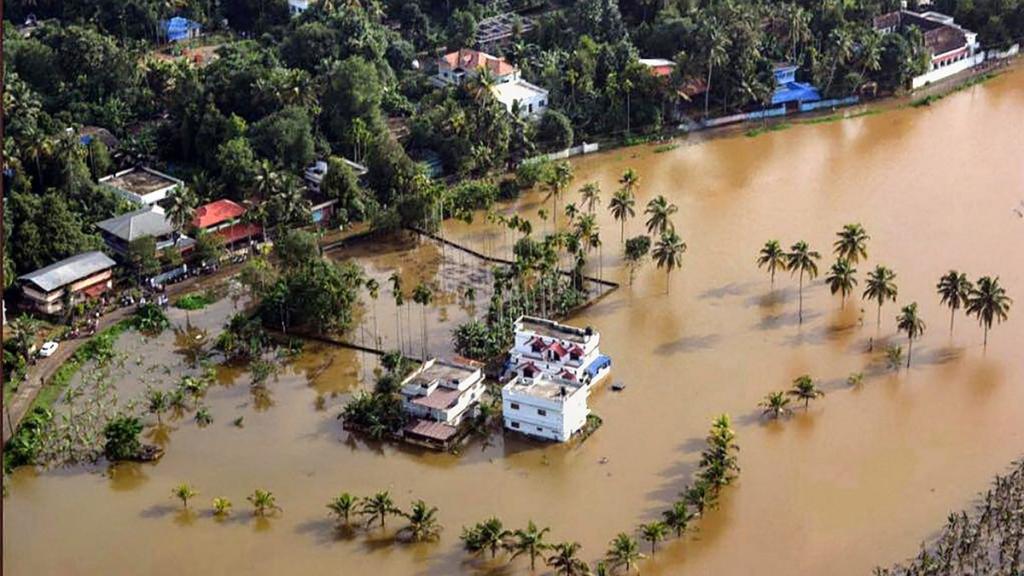
Moreover, the crisis is increasingly normalised. Record temperatures, mass migrations, and water crises now occur with predictable regularity yet elicit barely a fraction of the public attention afforded to political theatre or market fluctuations. This normalisation is not apathy — it is exhaustion, especially for communities already navigating poverty, displacement, and systemic neglect. Climate change is not coming -it is here. The only question left is: for whom is it survivable?
To reframe climate change as a political issue is not to diminish its environmental dimensions; it is to locate them within the realities of global power. Until we stop pretending this is about polar bears and start recognising it as a reckoning with historical and ongoing injustice, no meaningful solutions will emerge.
By: Lakshita
Write and Win: Participate in Creative writing Contest & International Essay Contest and win fabulous prizes.
About the Author