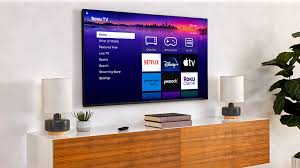
IPTV has emerged as a leading solution in digital entertainment, offering an efficient alternative to traditional television services. As households increasingly demand flexibility, variety, and high-quality viewing, IPTV has become a go-to choice for modern viewers. Recent industry statistics highlight a steady rise in ip tv adoption, with millions of users worldwide shifting from cable and satellite subscriptions to internet-based streaming.
The growing preference for IPTV is driven by its ability to provide fast and reliable channel access, ease of use, and a diverse range of content. Unlike conventional broadcast systems, which rely on specific hardware or geographic availability, IPTV leverages the internet to deliver content directly to the user’s device. This technological advantage allows viewers to enjoy uninterrupted entertainment and access thousands of channels from anywhere with a stable internet connection.
How Does IPTV Ensure Fast and Stable Channel Access?
One of the key strengths of IPTV is its ability to provide fast channel switching and consistent streaming quality. According to research on digital media consumption, buffering and delays are among the top frustrations for traditional TV viewers. IPTV addresses these issues through advanced streaming technology that optimizes bandwidth usage and minimizes latency.
Adaptive bitrate streaming is a central feature of iptv dansk, enabling the system to adjust video quality dynamically based on available internet speed. This ensures smooth playback without interruptions, even during periods of network fluctuation. Studies indicate that adaptive streaming can reduce buffering by up to 70% compared to standard transmission methods, providing viewers with a seamless experience.
Moreover, IPTV platforms often deploy distributed server networks to handle high traffic volumes efficiently. This server architecture balances loads and reduces the risk of downtime, allowing viewers to access channels quickly and reliably regardless of peak usage times.
What Makes IPTV a Reliable Choice Compared to Traditional TV?
Reliability is a critical factor in modern entertainment services. Traditional cable or satellite television can experience signal loss due to weather conditions, technical faults, or maintenance issues. In contrast, IPTV’s digital infrastructure ensures that content is delivered consistently as long as there is a stable internet connection.
Data from recent consumer surveys suggest that households using IPTV report higher satisfaction levels in terms of uptime and viewing quality. The system’s ability to offer consistent service with minimal disruption makes it a preferred choice for families, sports enthusiasts, and international viewers who require dependable access to global content.
IPTV also eliminates the dependency on physical connections like coaxial cables or satellite dishes, which can be affected by environmental factors. This digital approach ensures that viewers can enjoy uninterrupted service even in areas where traditional broadcasting may face limitations.
How Does IPTV Provide Access to a Wide Range of Channels?
Another major advantage of IPTV is the diversity of channels it offers. Research shows that viewers increasingly value variety, with families often seeking content across multiple genres including entertainment, news, sports, documentaries, and international programming. IPTV platforms can host thousands of channels without the restrictions of traditional broadcast bandwidth, making it easier to offer a comprehensive entertainment package.
Many IPTV services also include regional and international channels, catering to multicultural households and viewers who want access to global content. Studies indicate that households with access to diverse programming spend more time engaging with digital media, highlighting the importance of variety in maintaining viewer satisfaction.
Time-shifted and on-demand content further expand the viewing options. Users can watch previously aired shows or stream live content at their convenience, providing a level of flexibility unmatched by traditional TV services. This feature has contributed to IPTV’s rapid adoption among younger demographics, who prioritize convenience and personalization.
Can IPTV Improve Home Viewing Experience with Multi-Device Support?
IPTV enhances flexibility by supporting multiple devices. According to surveys on media consumption habits, over 60% of viewers now prefer to watch content on mobile devices, tablets, or laptops in addition to TVs. IPTV platforms accommodate these preferences by allowing simultaneous streaming on different devices within the same household.
This multi-device capability ensures that family members can enjoy personalized content without conflicts, improving the overall home viewing experience. Additionally, user-friendly interfaces and interactive menus make it easier to navigate channel lists, search for specific programs, and manage viewing schedules.
Interactive features such as electronic program guides (EPGs) and customizable favorites lists further streamline content discovery. Data analytics embedded in IPTV platforms can also provide personalized recommendations based on viewing patterns, enhancing engagement and satisfaction.
How Does IPTV Ensure High-Quality Viewing for Sports and Live Events?
Sports fans and live event viewers are particularly sensitive to delays and buffering. Studies indicate that even minor interruptions can significantly diminish enjoyment during high-stakes matches. IPTV addresses this challenge by utilizing low-latency streaming protocols and efficient compression algorithms to deliver high-quality video with minimal delay.
Many IPTV services also offer features like multi-angle camera options, instant replay, and interactive stats for live events, creating a more immersive viewing experience. By combining speed, reliability, and advanced functionality, IPTV caters to the growing demand for high-quality sports and live entertainment streaming.
What Role Does Data Analytics Play in Enhancing IPTV Services?
Data analytics has become a critical tool for improving IPTV performance and user satisfaction. Platforms can collect real-time data on user behavior, network performance, and content popularity. This information helps providers optimize channel delivery, identify potential technical issues, and offer personalized content recommendations.
Statistical analysis also informs capacity planning. By understanding peak viewing times and popular channels, IPTV providers can allocate resources effectively, ensuring that viewers experience consistent performance even during high-demand periods.
Additionally, analytics can guide content curation and service upgrades. By monitoring viewing trends, providers can add new channels or features that align with user preferences, further enhancing engagement and satisfaction.
Can IPTV Transform Long-Term Home Entertainment Habits?
IPTV has the potential to reshape home entertainment patterns in the long term. Unlike traditional TV services with fixed schedules, IPTV offers on-demand, flexible, and highly personalized viewing. Research shows that households using IPTV tend to engage more actively with content, watch a wider variety of programs, and experiment with interactive features.
The adaptability of IPTV ensures that it remains relevant as technology evolves. Platforms can integrate new codecs, expand channel offerings, and support emerging device types without major infrastructure changes. This scalability makes IPTV a future-ready solution for households seeking sustainable, high-quality entertainment.
Moreover, IPTV encourages healthier viewing habits by allowing users to control their consumption. Features such as parental controls, viewing history tracking, and custom playlists enable families to manage screen time while still enjoying diverse content.
How Does IPTV Compare in Cost and Accessibility?
From a cost perspective, IPTV often offers competitive pricing compared to cable or satellite subscriptions. Because it relies on internet delivery, IPTV eliminates some infrastructure costs associated with traditional TV, which can translate into savings for consumers.
Accessibility is another major advantage. Viewers in remote or underserved areas can access IPTV services as long as there is an internet connection. Studies show that increased accessibility contributes to higher satisfaction and engagement, especially in regions where conventional TV services may be limited or expensive.
Subscription models for IPTV are typically flexible, ranging from monthly packages to pay-per-channel options. This flexibility allows households to select plans that suit their viewing habits and budget, further enhancing the service’s appeal.
What Are the Future Trends in IPTV Technology and Services?
The future of IPTV is closely tied to advancements in digital infrastructure and content delivery. Emerging technologies such as 5G, cloud-based streaming, and AI-driven personalization are expected to enhance speed, stability, and user experience further.
Statistics suggest that AI-powered recommendation systems will play a crucial role in shaping content discovery. By analyzing individual preferences and viewing patterns, IPTV platforms can provide tailored channel suggestions, increasing engagement and reducing the time users spend searching for programs.
Cloud-based infrastructure is also expected to improve scalability and reliability. By distributing content across multiple servers and leveraging edge computing, IPTV can maintain fast channel access and high-quality streaming even during periods of increased demand.
Interactive and immersive features, such as augmented reality overlays for sports or virtual TV lounges, may also become part of the IPTV experience. These innovations will allow viewers to engage with content in entirely new ways, enhancing the home entertainment ecosystem.
How Does IPTV Support Personalized and Family-Friendly Viewing?
Personalization is a key advantage of IPTV. Platforms can track individual preferences and create tailored experiences for each household member. Statistical studies show that personalized viewing increases overall satisfaction and encourages more consistent engagement.
Family-friendly features such as parental controls, content filters, and safe zones ensure that younger viewers can access age-appropriate programming. Meanwhile, adult users can explore a wider range of entertainment options, making IPTV suitable for households with diverse viewing needs.
Interactive scheduling tools also allow families to plan viewing times, set reminders for favorite shows, and pause or resume content at convenience, supporting a more organized and enjoyable home viewing experience.
Can IPTV Provide Long-Term Value for Home Entertainment?
IPTV’s combination of reliability, high-quality streaming, flexibility, and content diversity ensures long-term value for households. Research indicates that users who switch to IPTV often experience sustained satisfaction due to consistent performance, easy accessibility, and regular service updates.
As media consumption habits continue to shift toward digital platforms, IPTV’s ability to adapt and scale ensures that it will remain a relevant and valuable option. By providing fast channel access, minimizing interruptions, and offering personalized experiences, IPTV transforms the home entertainment landscape into a flexible, efficient, and engaging environment.
In conclusion, IPTV provides a comprehensive solution for modern home entertainment by delivering reliable, fast, and stable channel access. Its advantages in flexibility, high-quality streaming, diverse content, multi-device support, and personalized features make it an ideal choice for households seeking enhanced viewing experiences. As technology advances and consumer expectations continue to rise, IPTV is poised to redefine how homes access and enjoy digital content, offering a sustainable and engaging solution for the future.
Write and Win: Participate in Creative writing Contest & International Essay Contest and win fabulous prizes.
About the Author