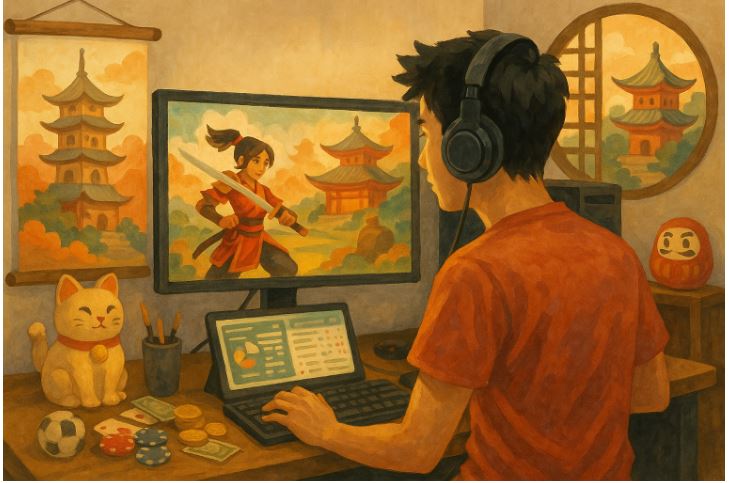
Online games from Asia stand out for more than graphics or mechanics. Many of them are shaped by history, tradition, and regional art. These cultural details influence everything from storylines to how players interact in the game world.
Asian culture plays a central role in game design across countries like Japan, China, India, and the Philippines. Developers take local themes and present them through modern platforms to create familiar yet new experiences. These connections help games attract loyal communities that understand the values behind the visual design. This cultural connection is also seen in various lifestyle products and fan services, including interest-driven platforms like 1xbet philippines registration, where game-inspired content blends with user engagement.
This article explains how cultural traits across Asia influence the way online games are made and played. It explores themes, visuals, language, and values found in top titles.
Cultural Themes That Drive Game Concepts
Game developers often start by drawing on local stories. Ancient texts, religious epics, or legends give depth to the game world. These elements are reshaped into new forms while keeping their roots visible. Mythical characters become bosses. Old cities become digital battlegrounds.
In Japan, Shinto beliefs often appear through nature spirits and guardian animals. In China, classic stories like Journey to the West have inspired several action RPGs. In the Philippines, folklore about forest spirits and ancestral guardians continues to shape indie horror and adventure titles.
These themes give games a strong identity. Players enjoy the mix of old symbols and modern action. The connection also builds national pride, as young gamers see parts of their heritage in the games they play daily.
Visual and Sound Design With Regional Influence
Asian games stand apart in how they look and sound. Bright colours, hand-drawn art, and traditional music help create a distinct experience. Game menus often use native scripts and symbolic icons. Backgrounds might include mountain temples, crowded bazaars, or village landscapes.
Philippine-made games often mix English with Tagalog or other regional dialects. The use of language adds realism. Soundtracks include local instruments like kulintang or bamboo flutes, setting the right mood without extra storytelling.
For mobile titles, especially those built for fast-paced gameplay, cultural visuals keep the game memorable. This design strategy increases download rates and player loyalty. It also brings regional art forms to wider audiences, especially when games cross into international markets.
Player Behaviour and Cultural Values
Asian games often promote teamwork, patience, and respect. This is partly because local culture values group effort and harmony. In countries like South Korea and Vietnam, multiplayer formats encourage cooperation over solo missions.
Games often reward long-term effort. This reflects traditional views on discipline. Rewards are structured to support steady play over sudden wins. Community-based features like guilds, co-op battles, and player rankings reflect real-life social systems.
Another example is how authority appears in games. Older characters, masters, or leaders are treated with respect in narratives. Young characters learn, grow, and eventually take leadership roles. These ideas mirror cultural values around age and learning.
Design for Local Conditions and Devices
Game design also adjusts based on the market. In many parts of Asia, mobile phones are the main gaming device. Developers optimise for small screens, slow internet, and limited storage. That affects design choices like level size, download weight, and update frequency.
Developers also adapt game economies for local wallets. Many Asian games use freemium models. Players can access core features for free, then choose to buy cosmetic or bonus items. This lets more people play, while still supporting developers through microtransactions.
Local platforms adapt their engagement strategy to connect with regional users. Games often promote events through such networks, especially during festivals or sports seasons.
Cultural Events and Seasonal Game Content
Developers use national holidays or cultural festivals to refresh game content. In Asia, Lunar New Year, Diwali, and other events are reflected in temporary quests or skins. These limited-time features create a link between real-world celebrations and the game space.
This approach boosts engagement. It also encourages daily logins and increases in-game spending during festive periods. Users feel the game reflects their world, not just a fictional space. That deepens the user experience and keeps players returning.
Examples include cherry blossom updates in Japanese games, dragon parades in Chinese RPGs, or fiesta-themed content in Filipino mobile games. These features connect users emotionally while keeping gameplay fresh.
Why Cultural Design Matters in Global Gaming
Cultural design helps local games succeed globally. Many international players are curious about new settings, customs, and stories. Games from Asia give that access. At the same time, they present new models of gameplay, not just content reskins.
By blending modern mechanics with cultural depth, these games compete with large Western studios. They stand out in both story and gameplay structure. That diversity supports industry growth and shows how game design can preserve identity while reaching new markets.
Looking Ahead
Asian game developers have shown that culture is not a barrier. It is a resource. The more a game reflects real traditions, languages, and values, the more players connect with it. This approach does not just build great games. It builds lasting communities.
As online games grow more global, developers from Asia will continue to shape how culture appears in virtual spaces. The future of gaming will not only be about technology. It will be about storytelling, identity, and local pride – all in the world’s favourite pastime.
Write and Win: Participate in Creative writing Contest & International Essay Contest and win fabulous prizes.
About the Author