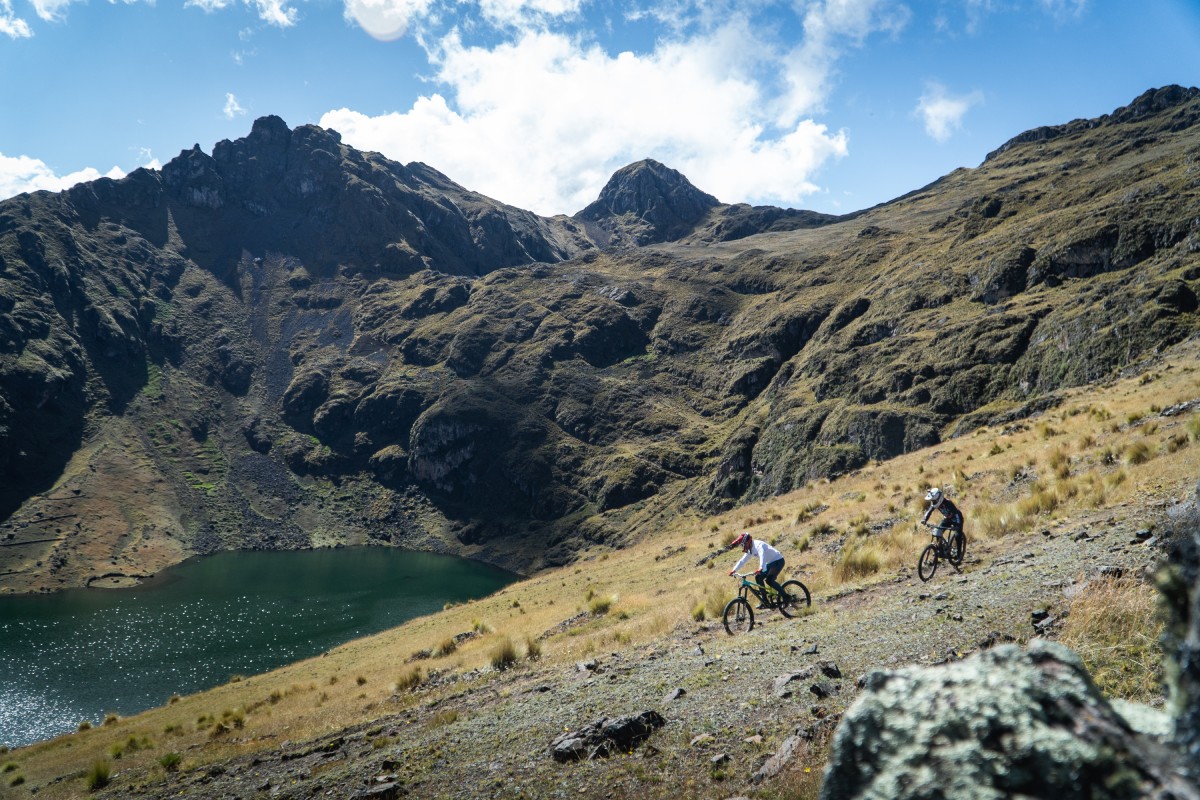
Cusco, located in southern Peru, is globally known as the gateway to Machu Picchu. However, beyond its archaeological legacy, the region is gaining prominence as a high-altitude mountain biking destination. Its Andean geography, living Quechua communities, and network of historic trails make it a unique destination for those seeking an active, cultural, and scenic experience.The routes have existed for centuries and cross very different ecosystems within just a few hours of pedaling. Cusco sits at around 11,150 feet altitude, and this factor conditions both the planning and the way you enjoy each descent.
What Makes Cusco Different?
Unlike destinations where routes are built for tourists, in Cusco you ride on trails still in active use. These are mule paths, Inca stone pavements, working agricultural terraces, and villages where Quechua is part of daily life.
There are no prefabricated structures. What does exist is real territory, tangible history, and communities that keep these paths alive. This combination of sport and living culture explains the steady growth of this activity in the Andes and its rugged geography.
Representative MTB Routes in Cusco
Yuncaypata
The ideal entry point to acclimatize and test sensations at altitude. It’s located near the historic center and offers compact dirt, eucalyptus forest, and continuous flow without intimidating sections.
Chinchero – Urquillos
Starts in one of the high villages of the Sacred Valley and descends through sections with Inca stone, natural curves, and wide viewpoints. Beyond the sporting aspect, it showcases living agriculture on stepped terraces and paths connecting Andean communities.
Abra Málaga
This is the region’s grand scenic descent. It begins at a high mountain pass with cold air and views of snow-capped peaks, and ends in a warm, humid valley with rivers and dense vegetation.
The complete descent is approximately 31 miles with an accumulated elevation drop of over 5,000 feet. Much of the route follows paved road, allowing you to focus on the landscape: glaciers, gorges, and cloud forests.
Maras – Moray
A cultural and panoramic route connecting two of the valley’s most unique sites: the circular terraces of Moray (an Inca agricultural laboratory with thermal gradients) and the Maras salt pans, an ancestral system of thousands of family-owned pools.
Lares and High Altitude Lakes
In the Lares passes, the landscape opens to the mountain range with imposing silence. It’s common to see llamas and alpacas on extensive slopes. Technically, it alternates accessible sections with more demanding ones due to gradient and altitude.
Huaypo
A circuit around a high Andean lake that works as an acclimatization day or gentle trip closer. There are clean views of the mountain range and firm rural roads that don’t require prior experience.
How to Plan Without Mistakes
Cusco sits at around 11,150 feet. For those arriving from sea level, it’s recommended to reserve at least two light days for acclimatization before intense pedaling. Common symptoms of altitude sickness include mild headache, fatigue, and rapid breathing. In these cases, resting or descending to lower altitude is most effective.
When to Go?
The dry season (May to October) concentrates most tourist and MTB activity in Cusco. July and August are cold but offer the most stable weather for riding. During the rainy season (December to March), outings are usually slowed down, modified, or canceled for safety reasons.
How to Get to Cusco?
Most international travelers land in Lima and then take a domestic flight of approximately 1 hour and 20 minutes to Alejandro Velasco Astete International Airport in Cusco. This airport is located within the city of Cusco, just minutes from the historic center, making it easy to quickly transfer to your hotel or tour agency upon arrival.
From there, the starting point for MTB routes or more distant excursions can be between 30 minutes and 2 hours by road, depending on which valley or area you’ve chosen.
When planning your arrival, consider that flights can depend heavily on weather. The airport is at high elevation and surrounded by mountains, which sometimes causes delays. For this reason, if you arrive late, it’s a good idea to plan for a night in Cusco before starting your activities.
What to Bring Without Overcomplicating
For your experience to be smooth from day one, it’s best to pack thinking about mountains, altitude, and variable weather. You don’t need to bring your own bike. Many operators in the region rent or include well-maintained full-suspension bikes and basic safety equipment. This allows you to travel light and focus on enjoying rather than hauling gear.
For clothing, the most practical approach is a layering system you can easily adapt. In the morning, when you’re above 10,000 feet, the cold can hit hard. By midday, the sun can raise the temperature noticeably. Bring a warm garment for afternoons and evenings, a lightweight rain jacket in case of drizzle or wind, and breathable clothing.
Personal protection is also key: helmet (ideally full-face if you’re tackling technical routes), knee pads, elbow pads, gloves, and UV-protection sunglasses. And don’t forget sun protection: SPF 50+ sunscreen and lip balm will prevent the high-altitude sun from catching you off guard.
Finally, bring a hydration pack or at least bottle cages. Altitude and MTB exertion demand that you stay well hydrated to perform and enjoy.
Safety and Respect for the Territory
The routes cross communal lands and active agricultural zones. Going with a local guide avoids access conflicts and guarantees a safe experience. This also applies to heritage sites like Moray or Maras, where there are designated visitor areas and work zones that must be respected.
Operators like Peru Biking Tours work directly with communities and local guides who balance technical adrenaline with cultural respect.
Differences from Other MTB Destinations
Many mountain biking centers worldwide depend on designed trails and mechanical lifts. Cusco stands out because its routes cross living territory with Inca elements, farmland, terraces, gorges, and villages. There’s no sense of a closed circuit, but rather geographic and cultural continuity immersed within your chosen adventure.
This combination, added to the operating altitude between 9,200 and 14,400 feet, places Cusco in a different category compared to more conventional destinations.
Now You Ride in the Andes
Cusco is a powerful setting for mountain biking. The routes cross changing landscapes, pass through living communities, and reveal a geography best understood on two wheels. Altitude demands preparation, but also enables unique experiences: authentic trails, history on the ground, and open nature.
For operational details, available dates, and guided departures, you can consult Peru Biking Tours, an operator specialized in MTB in the region.
Write and Win: Participate in Creative writing Contest & International Essay Contest and win fabulous prizes.
About the Author