AI
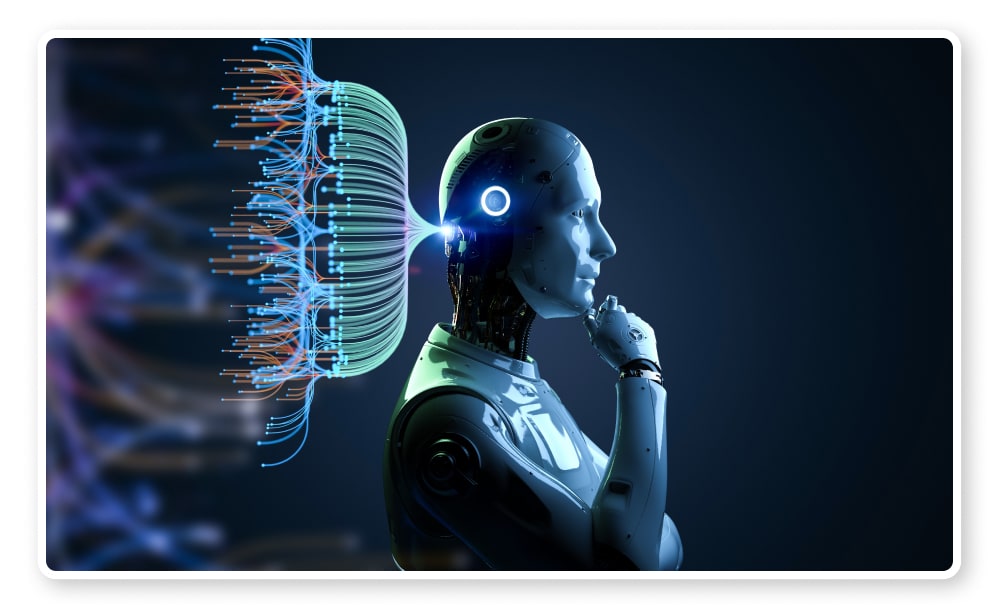
The entertainment world is changing faster than ever before. One of the biggest reasons for this change is the rise of Artificial Intelligence, or AI. Until recently, AI was mostly seen as a tool for science, machines, and automation. But now, AI is entering the world of creativity, stories, music, films, games, and art. This new wave is called “AI-generated entertainment.”
What does this mean? Simply put, AI is now able to write stories, compose music, create paintings, animate characters, design games, and even generate realistic human voices and faces like AI Music Generator. In the past, only human beings could do these creative things. Today, computers are doing them too.
This development raises many questions: Is this the future of creativity? Will AI take over the jobs of artists, writers, and musicians? Or will it become a partner in helping us create new kinds of entertainment? In this essay, we will explore what AI-generated entertainment is, how it works, what it can do today, the benefits and challenges it brings, and the debate about whether it is a blessing or a threat to human creativity.
AI-generated entertainment is content—like music, stories, images, videos, or games—created either entirely or partly by artificial intelligence. AI systems are trained using data—lots and lots of examples from the real world. For instance, an AI that writes poems is trained using thousands of poems written by people. It then learns patterns in language and style and uses that knowledge to create something new.
The most popular AI tools today can write essays, screenplays, jokes, and even news articles. Others can create music tracks in different styles—classical, rock, hip-hop, or electronic. Some AI models can draw pictures or paint artworks just from a few words. More advanced tools like Sora and deepfake technologies can generate realistic videos, voices, or even entire virtual influencers.
What used to take days or months can now be done in minutes with AI. For example, an AI can generate an animated short film, complete with voices and background music, in less than an hour. This was once thought impossible. AI is already being used in many areas of entertainment, often without the audience even realizing it.
Platforms like Amper Music, AIVA, and Jukebox can create music tracks in any mood or genre. Many video creators use AI-generated music for their background scores. Some popular songs today have AI-generated beats. AI tools can write short films or assist in writing screenplays.
There are also AI programs that help edit films, suggest camera angles, or even restore old black-and-white films into colour. In video games, AI can design levels, create smart enemies, or adapt gameplay to suit the player’s style. Games like No Man’s Sky use AI to generate entire worlds with planets, animals, and weather systems.
Artists now use tools like DALL·E, Midjourney, and Stable Diffusion to generate artwork from text prompts. Animators use AI to move characters realistically or even animate old cartoons. AI-generated influencers like Lil Miquela or Imma have millions of followers. They don’t exist in real life but are created entirely by AI. They promote fashion, products, and even speak on social issues.
There are many reasons why people are excited about AI in entertainment: AI can create content quickly. This is useful for creators who want to save time or who cannot afford large teams of artists or musicians. A single person with a laptop can now do what once required a full studio. Instead of replacing human creativity, AI can help boost it.
Writers can get ideas, musicians can test melodies, and artists can experiment with styles. AI can act like a creative assistant, not a competitor. AI makes content creation more accessible to everyone. You don’t need to be an expert musician or painter anymore. With the right tools, even beginners can express their ideas and make high-quality content. AI opens the door to entirely new forms of entertainment. Interactive stories, personalized music, or games that learn from the player—all become possible with AI.
Despite the excitement, there are also many challenges and dangers with AI-generated entertainment: One of the biggest fears is that AI will replace human artists, writers, editors, and performers. If studios can use AI to make music or art cheaply, will they still hire human creators? AI can mimic styles and patterns, but it doesn’t truly feel emotions.
Many critics say AI-generated content lacks the soul, pain, joy, or personal experience that comes from real human creation. AI models are trained using existing content from the internet—paintings, books, music, etc. But who owns the final output? Is it fair to use someone’s art to train an AI without their permission? AI can create fake news, deepfake videos, or fake voices. This can lead to confusion, scams, and even danger.
Entertainment created by AI could also be misused to spread lies or harmful content. If people start depending too much on AI, will they stop learning real artistic skills? Will future generations forget how to draw, compose music, or write from the heart?
While some people fear AI will destroy creativity, others believe it can help creativity grow. AI is a tool—and like any tool, its effect depends on how we use it. Just like a camera didn’t destroy painting, or the computer didn’t kill writing, AI may not replace artists, but change how they work.
Many creators now collaborate with AI. They use it for the first draft, and then add their own touch. They treat AI like an idea machine, not a final product maker. This way, AI becomes a partner—not a threat. In schools and colleges, students are being taught how to use AI for projects, storytelling, and animation. Instead of banning it, educators are encouraging responsible use. This shows how AI can be a learning and creation partner.
Looking ahead, AI will likely be a big part of the entertainment world. We may see AI-generated movies in theatres, AI hosts on TV, or AI singers on world tours. People might even have personalized movies based on their life stories. Games might become so realistic and adaptive that they feel alive. But we must also build rules and values. There should be laws that protect artists’ rights and prevent fake or harmful content. Creators should always get credit when their work is used to train AI. And society should always remember that true art is not just about skill—it’s about heart.
AI-generated entertainment is one of the most exciting—and controversial—developments of our time. It has the power to change how we create, share, and enjoy stories, music, art, and games. It can make creativity more open, faster, and more diverse. But it also brings risks of losing jobs, weakening real creativity, and spreading fake content.
Whether AI becomes the future of creativity or the end of true art depends on us—on how we use it, control it, and work with it. If we treat AI as a helpful tool, respect artists’ rights, and teach young people to be both creative and wise, then AI will become a powerful friend in the world of entertainment. In the end, machines may create stories, but only humans can feel them. No matter how smart AI becomes, the magic of a truly human story, a heartfelt song, or a painting made with love will never go out of style.
About the Author