When two or more people purchase property together, they must decide how ownership will be legally recorded. The ownership structure determines the sharing of rights and handling of responsibilities.
Two of the most widely used forms of shared property ownership are joint tenants and tenants in common.
Both arrangements allow multiple people to own property together, but there is a slight difference in legal rights, financial responsibilities, and long-term ownership outcomes.
By understanding these differences, you can avoid disputes with co-owners and manage responsibilities effectively, protecting your investment.
So, let’s know how joint tenancy and tenancy in common differ in legal rights and responsibilities here.
Understanding Joint Tenancy
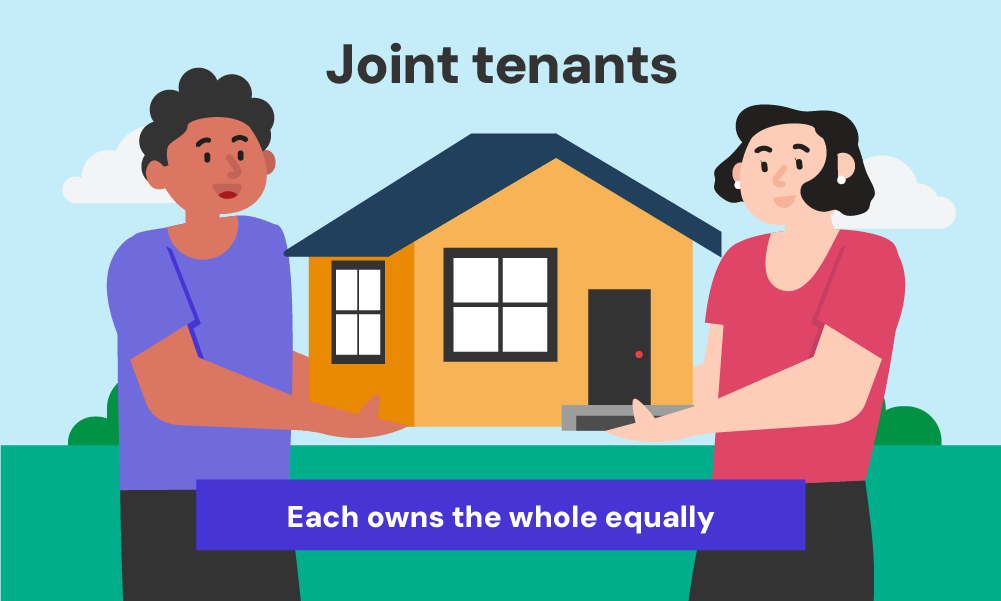
Joint tenancy is a co-ownership structure for property in which everyone has equal shares and identical ownership rights, regardless of financial contributions.
A unique feature is the right of survivorship, which ensures that in the event of one co-owner’s death, the remaining surviving owners automatically receive the deceased’s share, split equally.
Understanding Tenancy in Common
Tenancy in common lets multiple co-owners have different equal or unequal shares, depending on their financial contributions. Every tenant or owner has their own specified portion of the property. You can instead sell, gift, or transfer your shares.
If you’re uncertain about the difference between Tenants in Common and Joint Tenants, consult a renowned lawyer with expertise in local real estate. They can give you a clear picture of both and guide you in choosing the best ownership option for your interests.
Legal Ownership Rights in Joint Tenancy
Equal Ownership Shares
All joint tenants have identical shares of the overall property. Ownership remains equal even if one of them contributes more financially.
Equal Decision-Making Authority
All parties get an equal say in major decisions as everyone has equal rights, including:
- Selling the property
- Refinancing mortgages
- Leasing or renting property
- Making major renovations
Even if one party says no to a decision, it can’t go along.
Right of Survivorship
Right of survivorship is the most significant aspect of joint tenancy. If one of the joint tenants dies, the following happens:
- The deceased’s shares are transferred to the surviving owners.
- The property does not merge with the deceased owner’s estate.
- Probate processes are avoided.
This is ideal for married and long-term couples who want to leave their property directly to their partner instead of an heir or other family members.
Legal Ownership Rights in Tenancy in Common
Unequal Ownership Shares
Tenants in common allow owners to have different shares on the property proportional to their respective financial contributions according to the investment.
Independent Transfer Rights
You can transfer, gift, or sell your share without others’ consent, provided you comply with local laws. Thus, the following is allowed:
- Shares can be sold to new owners
- Ownership interests may change over time
- Individual shares can be used as collateral
This makes it fit for business partnerships and investment properties.
Right of Survivorship
Unlike joint tenancy, tenancy in common has no right of survivorship, making it ideal for passing property to heirs or specific family members. Instead, the following occurs:
- The deceased owner’s share becomes part of their estate
- Ownership passes to heirs through a will
- Probate processes may be required
Responsibilities in Joint Tenancy
Equal Expenses
Joint tenants must pay equally in:
- Mortgage payments
- Property taxes
- Insurance costs
- Maintenance expenses
Even if one pays more than the other, the legal responsibility is equal. If one does not pay their share, the others are also affected, leading to legal disputes.
Equal Liability Risks
If one joint tenant sustains legal liabilities relevant to the property, everyone else is affected. This can be:
- Unpaid taxes
- Mortgage defaults
- Legal claims related to property use.
Equal Decisions
Major property-related decisions like the following pass only when everyone agrees:
- Approving sales or transfers
- Managing property upgrades
- Setting rental agreements
- Maintaining shared property standards
Disagreements only delay decisions, hampering the flow of operations.
Responsibilities in Tenancy in Common
Proportional Expenses
All expenses are split based on shares, ensuring fair financial investment. So, if you own 30% of the property, you pay 30% of the overall expenses.
Independent Financial Liability
Your financial liability only affects your own share. Creditors claim only on the debtor’s share. This minimizes financial risks for other co-owners.
Flexible Decisions
You have autonomy over the decisions of your respective share. But shared responsibilities and cooperation hold for the following property management areas:
- Property maintenance
- Insurance coverage
- Compliance with legal regulations
Conclusion
Buying property with another person, whether it’s a spouse, family member, or business partner, is a common way to share expenses and build wealth. However, shared ownership requires careful planning, especially when deciding how ownership will be structured. So, understand the differences with the guidance of a legal expert and ensure all co-owners get the worth of their investment.
Write and Win: Participate in Creative writing Contest & International Essay Contest and win fabulous prizes.
About the Author