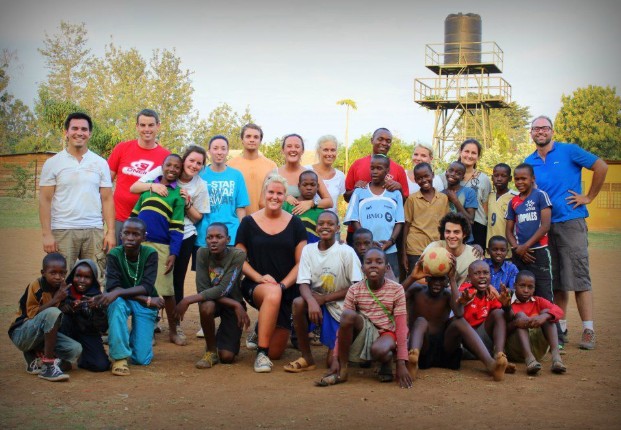
For many people, volunteering in Tanzania begins as a desire to travel with purpose. The landscapes are breathtaking, the culture is rich, and the chance to “give back” feels meaningful. But true volunteering in Tanzania goes far beyond ticking off destinations or collecting experiences. At its best, it is not tourism at all, it is community partnership.
Ethical volunteering is about working with people, not over them. It is about long-term relationships, mutual learning, and supporting locally led initiatives that already exist. In Tanzania, especially in community-focused towns like Moshi, volunteering becomes less about what visitors bring and more about what can be built together.
Volunteering vs. Voluntourism: An Important Difference
The rise of global volunteering has also brought challenges. Short-term placements, high participation fees, and poorly regulated projects have blurred the line between volunteering and voluntourism.
Voluntourism often:
- Prioritizes the volunteer’s experience over community needs
- Operates without long-term local involvement
- Creates dependency rather than empowerment
- Treats communities as destinations rather than partners
True volunteering, on the other hand, focuses on sustainability and respect. In Tanzania, this distinction matters deeply. Communities are not blank slates waiting to be helped, they are resilient, skilled, and resourceful. Volunteers are most effective when they step into a supporting role, guided by local leadership.
What Community Partnership Really Means in Tanzania
Community partnership is not a slogan; it is a way of working. In Tanzania, it means recognizing that local organizations, teachers, caregivers, and community leaders understand their challenges far better than any outsider ever could.
A partnership-based approach includes:
- Projects initiated and managed by local organizations
- Volunteers supporting existing systems rather than replacing them
- Long-term collaboration instead of one-off interventions
- Open dialogue, trust, and shared responsibility
When volunteering is grounded in partnership, the impact becomes deeper and more lasting. Communities receive consistent support, while volunteers gain insight, humility, and real understanding.
Why Tanzania Is Ideal for Ethical, Community-Based Volunteering
Tanzania has a strong tradition of community cooperation and collective responsibility. From education and childcare to environmental conservation and women’s empowerment, many grassroots initiatives are deeply embedded within local culture.
Moshi, in particular, stands out as a hub for ethical volunteering because:
- Local organizations have long-standing community trust
- Projects focus on education, skills development, and inclusion
- Volunteers can integrate into daily community life
- Partnerships have been built over many years, not months
This environment allows volunteering to move away from surface-level help and toward meaningful contribution.
The Volunteer’s Role: Supporting, Not Saving
One of the most important mindset shifts for anyone volunteering in Tanzania is understanding their role. Volunteers are not there to “fix” problems or act as heroes. Instead, they contribute time, skills, energy, and perspective, always under local guidance.
Effective volunteers:
- Assist teachers, caregivers, and staff rather than replacing them
- Share skills while learning local methods and traditions
- Respect cultural norms and community structures
- Commit to consistency and reliability
This approach protects the dignity of the community and ensures that projects continue smoothly even after volunteers leave.
Education, Childcare, and Community Projects: A Partnership Approach
Many volunteers are drawn to education and childcare placements in Tanzania, and rightly so. Schools, orphanages, and community centers play a vital role in shaping future generations. However, these environments require sensitivity and responsibility.
Ethical involvement means:
- Supporting teachers with classroom activities
- Encouraging learning rather than controlling it
- Building trust slowly with children
- Understanding safeguarding and ethical guidelines
Similarly, community projects – including women’s groups, vocational training, disability centers, and environmental initiatives, thrive when volunteers listen first and act second.
Mutual Exchange: What Volunteers Gain From the Experience
Community partnership is not one-sided. While volunteers contribute to local projects, they also receive something equally valuable: perspective.
Volunteering in Tanzania offers:
- Cultural immersion beyond typical travel
- Greater awareness of global inequality and resilience
- Personal growth through adaptability and humility
- Strong human connections built on respect
These lessons stay with volunteers long after they return home, influencing careers, values, and worldviews.
Sustainable Impact Comes From Long-Term Commitment
The most successful volunteering initiatives in Tanzania are those built on continuity. Long-term partnerships allow projects to evolve, improve, and respond to real needs over time.
Sustainable volunteering is characterized by:
- Ongoing collaboration with the same communities
- Adaptation based on local feedback
- Transparency in goals and limitations
- A focus on empowerment rather than dependency
When organizations and volunteers commit to this model, the results are tangible and lasting.
Choosing the Right Volunteer Opportunity in Tanzania
For anyone considering volunteering in Tanzania, choosing the right volunteering organization in Tanzania is crucial. Ethical volunteering starts with asking the right questions.
Look for programs that:
- Work directly with local organizations
- Are transparent about where money goes
- Focus on community needs, not marketing
- Encourage responsible, long-term involvement
Volunteering should feel less like a package and more like a partnership.
Volunteering as Partnership, Not a Project
In the end, volunteering in Tanzania is not about travel, photos, or personal achievement. It is about standing alongside communities, contributing respectfully, and understanding that real change happens slowly and collectively.
When volunteering is rooted in community partnership, it benefits everyone involved. Communities receive consistent, meaningful support, and volunteers walk away with a deeper understanding of the world, and their place within it.
True volunteering doesn’t end when the trip is over. It reshapes how we see responsibility, connection, and global citizenship, and that is what makes it far more than travel.
Write and Win: Participate in Creative writing Contest & International Essay Contest and win fabulous prizes.
About the Author