When you first hear about THCA and THC, the two may seem confusing because their names are so similar. You might even assume they work the same way or produce the same effects. If you’ve ever tried to read about cannabis products, you’ve probably noticed a lot of scientific jargon that makes understanding them difficult. But knowing the differences between these two compounds can help you make smarter decisions, enjoy safer experiences, and feel more confident when trying different products. Being informed also allows you to avoid unexpected effects and understand why certain products work better in some situations than others.
-
THCA vs. THC When Using a Mushroom Vape
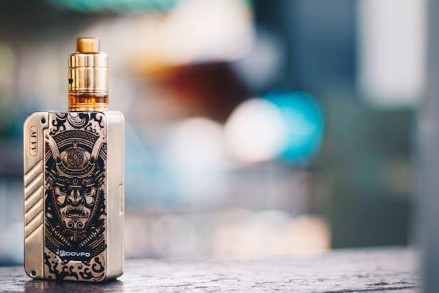
One of the clearest differences between the two is how they behave before and after heat is applied. THCA is non-psychoactive in its raw form, which means it doesn’t create the “high” effect that THC is known for. When you use a mushroom vape, the heat triggers a chemical change called decarboxylation, converting THCA into THC. This process is what produces the psychoactive effects that many people associate with cannabis.
After learning this, many people explore reliable sources like Delta8 Resellers to get more insight into how different forms of THCA and THC behave. Knowing what products are best for vaping, edibles, or raw consumption can help you make choices that fit your comfort level and preferences. Trusted sources also explain how device settings and liquid types interact with these compounds, which is especially important if you want a consistent experience.
-
How THCA and THC Affect You
THCA and THC interact with your body in very different ways. THCA does not bind strongly to the receptors in your brain responsible for the “high” feeling, which is why raw cannabis often feels mild or almost neutral. THC, on the other hand, binds directly to those receptors, producing the psychoactive effects that many users seek.
This difference explains why consuming raw cannabis or low-heat products can feel very different compared to using heated or processed forms. By understanding these effects, you can manage how intense your experience will be.
-
Where You Find Each Compound
You’ll mostly find THCA in fresh, raw, or minimally processed cannabis plants. It is the natural form of THC before any heat is applied. THC appears in products that have been decarboxylated, extracted, or otherwise processed to produce psychoactive effects.
The form you consume determines not only the intensity of your experience but also the method you might prefer. Fresh products might be used for juicing or smoothies, while heated or processed forms are better for vaping, edibles, or oils.
-
Why Temperature Matters
Heat is essential in transforming THCA into THC. Low temperatures may not activate the compound fully, producing little to no effect, while high temperatures can convert it quickly. This is why different devices, methods, and even vaping techniques can lead to different experiences, even when using the same product.
By paying attention to temperature and your method of consumption, you can control how strong the effects feel, avoid burning your material, and make your experience safer and more enjoyable.
-
How Legal Rules Differ
The legal status of THCA and THC can also vary depending on where you live. Some areas treat THCA differently because it is non-psychoactive until heated, while THC often has stricter legal regulations due to its psychoactive nature.
Understanding this distinction can help you stay compliant with local laws and avoid unintentional legal issues when purchasing or using cannabis products. Being informed also ensures that you choose products that are safe and suitable for your circumstances.
Conclusion
THCA and THC may sound similar, but their differences are crucial for understanding how cannabis products work. THCA is non-psychoactive in its raw form, while THC delivers the well-known “high” after heat triggers decarboxylation. They interact with the body in distinct ways, appear in different product types, and require careful attention to temperature for safe use. Legal rules also vary, making it important to know how each compound is treated in your area. By recognizing these differences, you can make smarter choices, enjoy safer experiences, and select products that align with your lifestyle and goals.
Write and Win: Participate in Creative writing Contest & International Essay Contest and win fabulous prizes.
About the Author