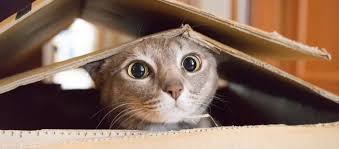
Your cat used to own the top of the bookcase. Now they stand beside it, look up once, and walk away. You noticed. You filed it under “getting older.” Worth revisiting that assumption.
Cats don’t announce pain. They reroute around it. One Tuesday the sofa gets approached and abandoned. Wednesday the stairs take twice as long. Thursday the tail goes ungroomed. None of it registers as pain. All of it is. Pattern, not event. That’s the thing with cats.
Feline arthritis builds across years, not days. Most owners miss it until mobility is visibly impaired. By then, discomfort has been present for a long time.
Behavioral Shifts That Signal Joint Discomfort in Cats
Jumping reveals it first. That specific hesitation before a windowsill a cat has used three hundred times. The calculation happening behind the eyes. Then the walk away. Pushing off hurts now. Landing hurts. Not jumping is the answer that makes sense from inside the body, even when it looks like stubbornness from outside.
Stairs reveal the same thing differently. Slow climbing. A pause mid-step. Taking them one at a time instead of bounding. Grooming patterns shift in specific, telling ways: the base of the tail stops getting cleaned, lower back fur becomes matted, hard-to-reach areas get abandoned. Not laziness. Pain.
Litter box habits change too. A cat eliminating outside the box may be struggling to step over a high entry wall, not losing litter training. Stepping over a 15cm rim when your hips ache is effort most cats quietly decide isn’t worth it. Withdrawal from play, from being touched, from favourite social spots. Quiet signals. Easy to miss. Significant in combination, and often part of how cats show signs of pain at home before anything obvious appears. Running a structured feline joint pain check, documenting patterns over several weeks, turns vague impressions into evidence worth bringing to a vet.
How Veterinarians Assess Feline Joint Health
A cat arthritis assessment starts with hands on the joints. The vet presses along each one and tests range of motion in each limb. Stiffness, swelling, flinching. These responses pinpoint affected areas before imaging confirms anything. X-rays follow. Bone spurs, narrowed joint spaces, areas of calcification that aren’t visible externally become visible on film.
The Feline Grimace Scale adds objectivity. Ear angle. Tension around the nose and mouth. Eye narrowing. A cat showing persistent ear flattening, narrowed eyes, and drawn-back whiskers registers a higher pain score. That number shapes treatment decisions directly.
Owners asking themselves “is my cat in pain?” before the appointment can bring more than a general sense that something’s off. Questionnaires covering recent changes in activity, sleep location, and grooming give the vet patterns rather than impressions. Documenting what you’ve seen at home before the appointment changes the quality of that conversation significantly. A structured tool to check if your cat has arthritis symptoms organises those observations in a format that’s immediately useful during examination. Differential diagnosis separates feline arthritis from injuries or neurological disorders presenting similarly. Blood tests check kidney and liver function before any medication decisions land.
Environmental Modifications That Support Arthritic Cats
No prescription needed for most of this. Just observation and practical changes before the problem worsens.
A tray with a 5cm entry point costs the same as one with 15cm. For a cat with stiff hips, the difference is whether they use it. Worth knowing before the problem starts showing up on the floor beside it. Ramps or pet stairs near furniture change access immediately. Three carpeted steps. Under £20. Done.
Raised bowls reduce neck and shoulder strain at mealtimes in ways that become obvious after a week of watching. Orthopaedic bedding in a warm spot supports joints during rest. A standard cushion doesn’t. Simple difference. Real effect. Non-slip mats on smooth floors give traction when walking or turning. Wooden floors and tile are particularly problematic for cats with weakened hindquarters.
Weight matters more than most owners expect. Extra kilograms increase joint stress directly. Obesity accelerates cartilage wear in arthritic cats faster than almost any other factor. Several five-minute feather wand sessions spread across a day are easier on stiff joints than one long session that leaves the cat moving oddly afterward. Post-play, watch the gait. Limping or stiffness after movement is information. A monthly hands-on rib check catches weight gain before it compounds the joint problem rather than after, all part of making home environments easier for older cats.
Dietary Considerations for Joint Support
Portion control and scheduled feeding times prevent overeating without disrupting much. Overweight cats carry extra load on already compromised joints. That load accelerates cartilage wear faster than most owners expect when they first hear it.
Omega-3 fatty acids from fish oil supplements show anti-inflammatory effects in cats with osteoarthritis. Cartilage health improves. Cellular inflammation reduces. Glucosamine appears in many joint-support formulas. Evidence in cats is less robust than in dogs. Some studies suggest cartilage maintenance benefits. Prescription diets formulated for mobility support are available through veterinary clinics for cats whose joint issues are more advanced.
Dehydration compounds joint problems quietly across months. Wet food solves most of it without requiring a fountain or multiple bowl locations, though both help. Cat-safe water fountains appeal to natural feline preferences for moving water, part of keeping your cat hydrated daily in ways that support long-term joint comfort. Multiple bowls in quiet locations away from litter boxes encourage frequent sips.
Treatment Approaches for Feline Osteoarthritis
Cat stiffness symptoms that don’t shift with environmental and dietary changes need medical assessment. NSAIDs reduce inflammation under veterinary supervision. Kidney and liver function in older cats requires monitoring during treatment. Blood tests before and during catch problems before they become serious ones. NSAIDs are approved for short-term use in cats. Alternatives may be considered for longer-term pain management, forming part of broader pain management for older cats approaches that combine medication with ongoing monitoring.
Frunevetmab, sold as Solensia, works differently. Monthly injections. Targets nerve growth factor, a protein linked directly with pain signalling in affected joints. Clinical studies show owners reported improved pain levels after several months. An option for cats that don’t tolerate daily oral medication. Gabapentin addresses nerve-related pain in more advanced or difficult cases.
Laser therapy targets inflamed tissues and improves blood flow over affected joints without medication. Acupuncture at specialist clinics changes pain signalling and movement patterns in some cats noticeably. Physical rehabilitation with tailored stretching exercises maintains muscle mass around joints that have started to weaken. Combined approaches work better than single ones. Home environment, diet, medical management, regular monitoring. Together. Not sequentially.
Monitoring Progress and Adjusting Care Over Time
A cat arthritis quiz used monthly gives owners something concrete between vet appointments. Is the cat using stairs less than last month? Has grooming of the tail base stopped entirely? These questions have answers if someone has been watching consistently.
Follow-up appointments matter. Age changes things. Activity level changes things. Other health conditions change things. A treatment plan that worked at twelve may need adjustment at fifteen. Monitoring isn’t a single event. It’s the ongoing work that keeps cats comfortable across their later years rather than managing a crisis after comfort has already gone.
Signs of arthritis in cats rarely arrive dramatically. One skipped jump. One shortened grooming session. Repeated, accumulated, overlooked. Owners who notice early and document consistently give their cats a meaningfully better outcome. Not a guarantee. A significant probability. Worth the attention.
About the Author