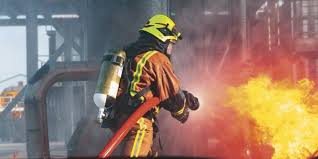
In industries where fire hazards are significant, the presence of Fire Watch Guards is not only crucial but often mandated. These trained professionals act as the frontline defense against the devastating consequences of a fire, ensuring a rapid response and continuous monitoring to prevent accidents. Whether in construction zones, industrial facilities, or during special events, their role can significantly reduce the risk of fire-related incidents. With a growing emphasis on workplace safety, it is important to understand why Fire Watch Guards have become an integral part of fire prevention strategies.
The Rising Need for Fire Watch Guards
Fire safety has evolved dramatically over the years, especially with advancements in technology and stricter regulations. Many industries, including manufacturing, construction, and even public entertainment, must adhere to fire codes that require continuous fire monitoring. This heightened need for fire watch services stems from the increase in high-risk environments, where the potential for fire outbreaks is heightened due to hazardous materials, machinery, or activities such as welding and electrical work. As a result, the demand for Fire Watch Guards has seen a consistent rise across various sectors.
How Do Fire Watch Guards Contribute to Workplace Safety?
The main responsibility of Fire Watch Guards is to continuously monitor the area for any signs of fire or fire hazards. These professionals are trained to quickly identify potential fire risks, such as faulty wiring, hot surfaces, or flammable materials, and take immediate action. This includes alerting authorities, evacuating workers if necessary, and using fire suppression tools when required. Fire Watch Guards often patrol areas on foot, keeping a vigilant eye on possible threats while maintaining communication with emergency services.
In addition to their physical presence, Fire Watch Guards are well-versed in fire prevention strategies, including monitoring and maintaining fire extinguishers, fire alarms, and sprinkler systems. By identifying potential hazards before they escalate, these professionals contribute significantly to reducing the likelihood of fire-related incidents.
The Role of Fire Watch Guards in High-Risk Industries
Industries with higher fire risks—such as oil and gas, chemical manufacturing, and construction—rely heavily on the presence of Fire Watch Guards to safeguard their operations. These environments often involve high temperatures, flammable materials, and complex machinery that can increase the likelihood of a fire starting unexpectedly. In construction, for instance, welding and cutting activities are common, generating heat and sparks that can easily ignite nearby materials. In these situations, a trained Fire Watch Guard can be the difference between a minor issue and a catastrophic event.
Fire Watch Guards also play an essential role during situations when a fire suppression system is temporarily out of service. For example, when maintenance is being conducted on sprinklers or fire alarms, having a Fire Watch Guard stationed on-site can provide continuous protection until the system is fully operational again.
The Importance of Trained Professionals
The expertise of Fire Watch Guards extends beyond simply monitoring the area. Their training ensures that they understand fire behavior, emergency response protocols, and the proper use of firefighting equipment. Furthermore, they are trained in detecting early signs of fire hazards, such as the smell of smoke, unusual heat, or sparks. This training allows them to respond more effectively and swiftly, minimizing the potential damage caused by a fire.
Professional Fire Watch Guards are also skilled in maintaining detailed logs and reports of their observations, which are crucial for legal compliance and for assessing the overall effectiveness of fire prevention measures. These logs help facility managers track and verify the safety protocols in place and can be valuable during audits or inspections.
Advancements in Technology: Enhancing Fire Watch Guard Efficiency
While human vigilance remains irreplaceable, technology has played a key role in enhancing the efficiency of Fire Watch Guards. Modern dispatch systems and fire detection technologies enable guards to quickly assess potential hazards and notify emergency responders in real time. Automated systems that monitor fire risk factors, such as temperature sensors, smoke detectors, and thermal imaging cameras, can provide Fire Watch Guards with a more comprehensive view of the environment they are monitoring.
AI-driven dispatch systems are also being used to streamline the communication process, ensuring that guards are dispatched immediately when a fire threat is detected. These systems can prioritize incidents, ensuring that the most critical areas receive immediate attention, and reduce the time it takes to alert emergency responders.
The Legal and Regulatory Framework Surrounding Fire Watch Guards
The presence of Fire Watch Guards is not just a best practice but often a legal requirement. Fire safety regulations vary by industry and jurisdiction, but many industries are mandated by law to employ fire watch services during certain high-risk activities. For instance, according to OSHA guidelines, if a fire watch is necessary due to the nature of the work, the employer must ensure that trained professionals are present at the site. Failure to comply with these regulations can lead to severe penalties, including fines and work stoppages.
These regulations emphasize the importance of having trained Fire Watch Guards in place during activities such as hot work (welding, cutting, grinding), which poses a significant risk of ignition. By maintaining compliance with fire safety regulations, businesses can ensure that they are protecting both their workers and their property.
Fire Watch Guards: More Than Just a Safety Measure
Beyond their immediate role in preventing fires, Fire Watch Guards also contribute to the overall safety culture within an organization. Their presence on-site serves as a reminder of the importance of fire safety, encouraging workers to be more mindful of their actions and surroundings. Furthermore, Fire Watch Guards can provide valuable training and guidance to employees on fire prevention measures, ensuring that safety practices are understood and followed by everyone on-site.
Moreover, having a visible and active Fire Watch Guard can improve the overall morale of employees, as workers tend to feel safer knowing that precautions are being taken to mitigate the risks of fire hazards. This can lead to increased productivity, fewer safety incidents, and a stronger safety culture within the organization.
The Cost of Not Hiring Fire Watch Guards
While hiring Fire Watch Guards involves an investment, the potential cost of not having them on-site is far greater. Fires can result in property damage, loss of life, legal liabilities, and operational disruptions. For example, a single fire incident in a construction zone or industrial facility can result in significant downtime, regulatory fines, and reputational damage that could take years to recover from.
Additionally, the cost of legal action due to non-compliance with fire safety regulations can be substantial. On the other hand, the cost of employing Fire Watch Guards is often far less than the potential expenses associated with fire-related incidents. Thus, the long-term benefits of fire watch services far outweigh the initial investment.
Conclusion
In high-risk environments, the role of Fire Watch Guards cannot be overstated. They are not just the first line of defense against fire hazards but also an essential part of the broader fire safety strategy. By continuously monitoring for signs of danger, maintaining equipment, and ensuring compliance with regulations, Fire Watch Guards help to protect lives, property, and businesses. As fire safety technology continues to evolve, their role remains indispensable in keeping workplaces safe and secure.
Write and Win: Participate in Creative writing Contest & International Essay Contest and win fabulous prizes.
About the Author